
Publisher Growth
Structuring Advertising Inventory for Direct Partnerships
How publishers can name, organise and present advertising inventory for clearer commercial conversations.
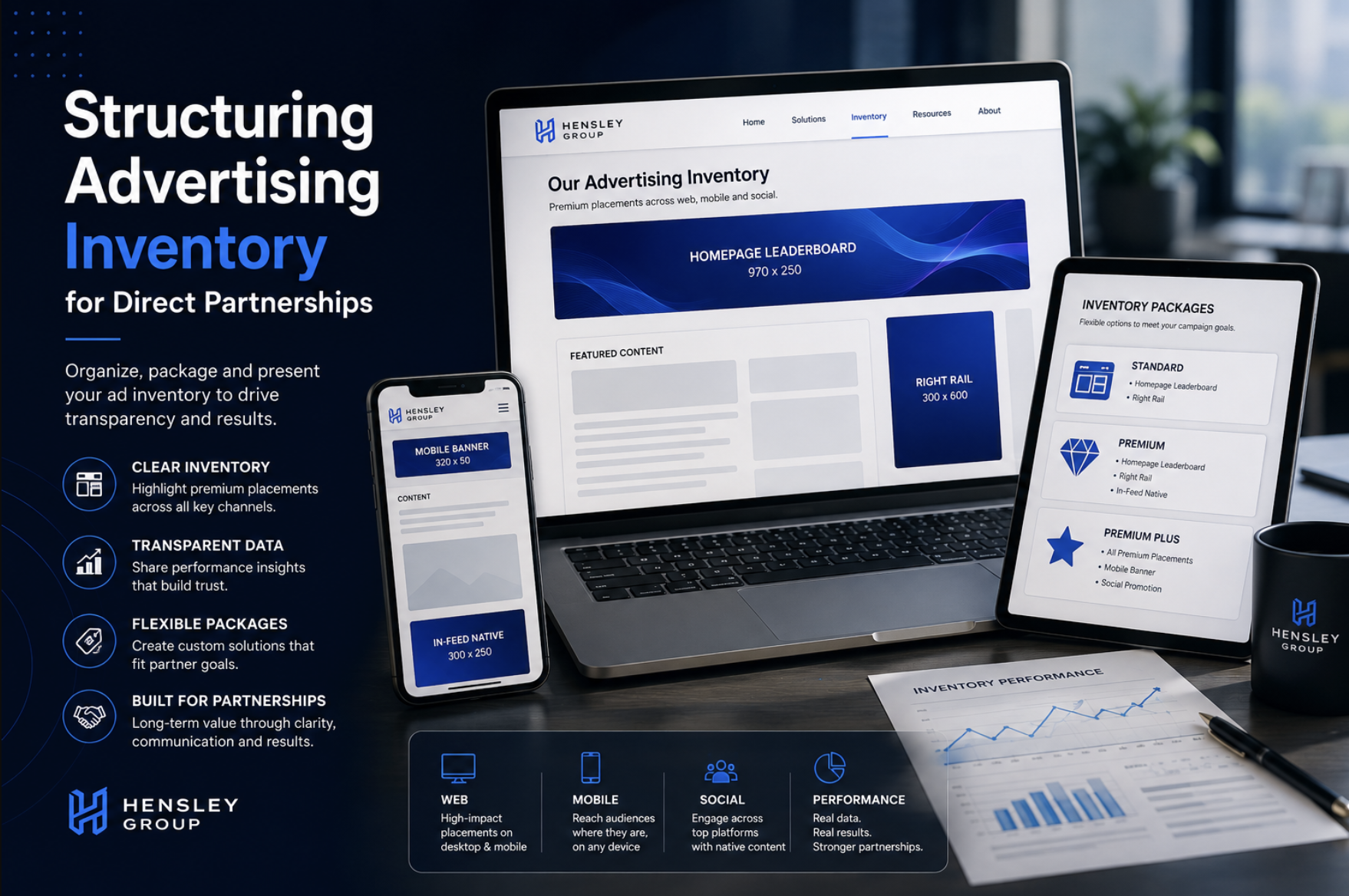
Inventory needs a structure
Direct advertising conversations become easier when inventory is structured in a way that advertisers can understand. A publisher may know its site, newsletter or channel instinctively, but a buyer needs clear names, locations, requirements and limitations.
Good structure does not mean turning every opportunity into a rigid package. It means creating a shared language for the commercial discussion.
Naming placements clearly
Placement names should describe where the advertiser will appear. A name such as homepage hero banner is clearer than a vague premium slot. In-content display, sidebar placement, newsletter sponsorship and sponsored social post each set a different expectation.
Names should remain consistent across proposals, insertion orders and reports. If the name changes at each stage, it becomes harder to confirm delivery.
Placement hierarchy
Publishers should decide which placements are primary, supporting or bespoke. A primary placement may offer visibility in a prominent environment. A supporting placement may extend the campaign across related pages or messages. A bespoke package may combine several formats.
This hierarchy helps advertisers understand the role of each option. It also helps the publisher avoid overcommitting inventory that cannot realistically be delivered together.
Desktop and mobile formats
Desktop and mobile treatment should be planned separately. A placement that looks prominent on a desktop page may appear differently on a smaller screen. The creative dimensions, file weight and cropping rules may also change.
Publishers should provide specifications for each device environment. If mobile delivery is limited or handled through a different format, that should be explained before a proposal is approved.
Availability and exclusivity
Availability is part of the commercial value. A publisher should know whether a placement is available on specific dates, whether category exclusivity can be considered and whether sponsorship conflicts need review.
Exclusivity should not be implied casually. It needs a defined scope, period, category and price logic. Without those details, the term can create confusion.
Creative deadlines
Creative deadlines protect the launch schedule. The publisher should state when assets are required, what happens if they arrive late and whether revisions need additional review time.
Advertisers benefit from this clarity because it reduces last-minute pressure. Publishers benefit because they can protect quality and avoid rushed placements.
Commercial logic
Inventory should be priced and packaged according to its role, visibility, operational effort and reporting available. A sponsored editorial article requires different work from a display placement. A newsletter sponsorship may have a different approval process from a social post.
Commercial logic does not need to be fully public, but it should be coherent. It should help the publisher explain why a package is shaped the way it is.
Reporting and brand suitability
Inventory structure should connect to reporting. If a placement can provide impressions, clicks, screenshots or delivery confirmation, that should be mapped to the format. If information is limited, say so.
Brand suitability also belongs in the structure. Publishers should identify content areas, categories or claims that require review. This helps prevent unsuitable campaigns reaching the approval stage too late.
Practical takeaways
Use clear placement names, define desktop and mobile treatment, explain availability, set creative deadlines and connect each format to available reporting. The result is a more professional conversation and a stronger basis for direct partnerships.
Related articles
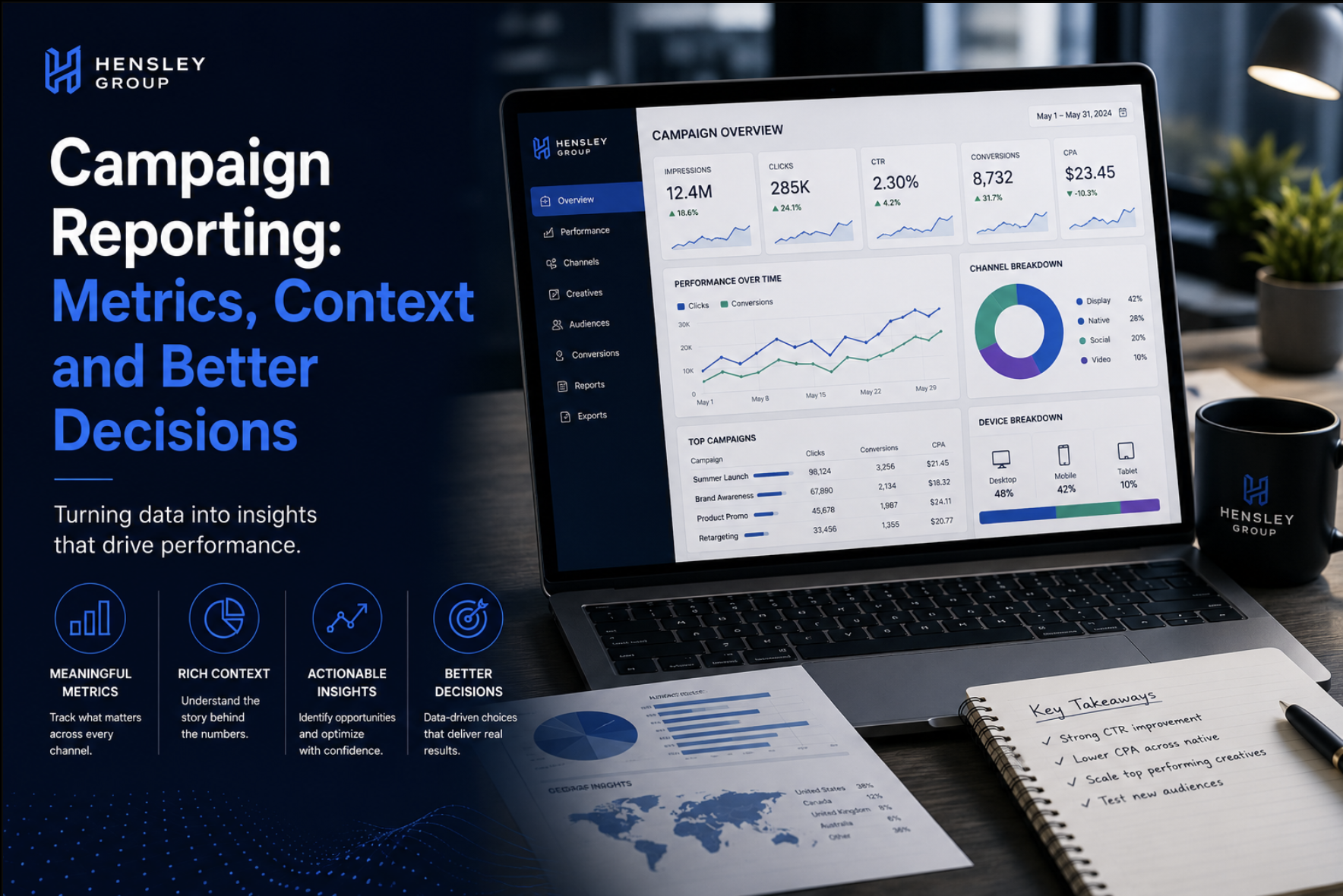
Campaign Reporting: Metrics, Context and Better Decisions
How to read campaign reporting with context, recognise limitations and use post-campaign review to make better media decisions.
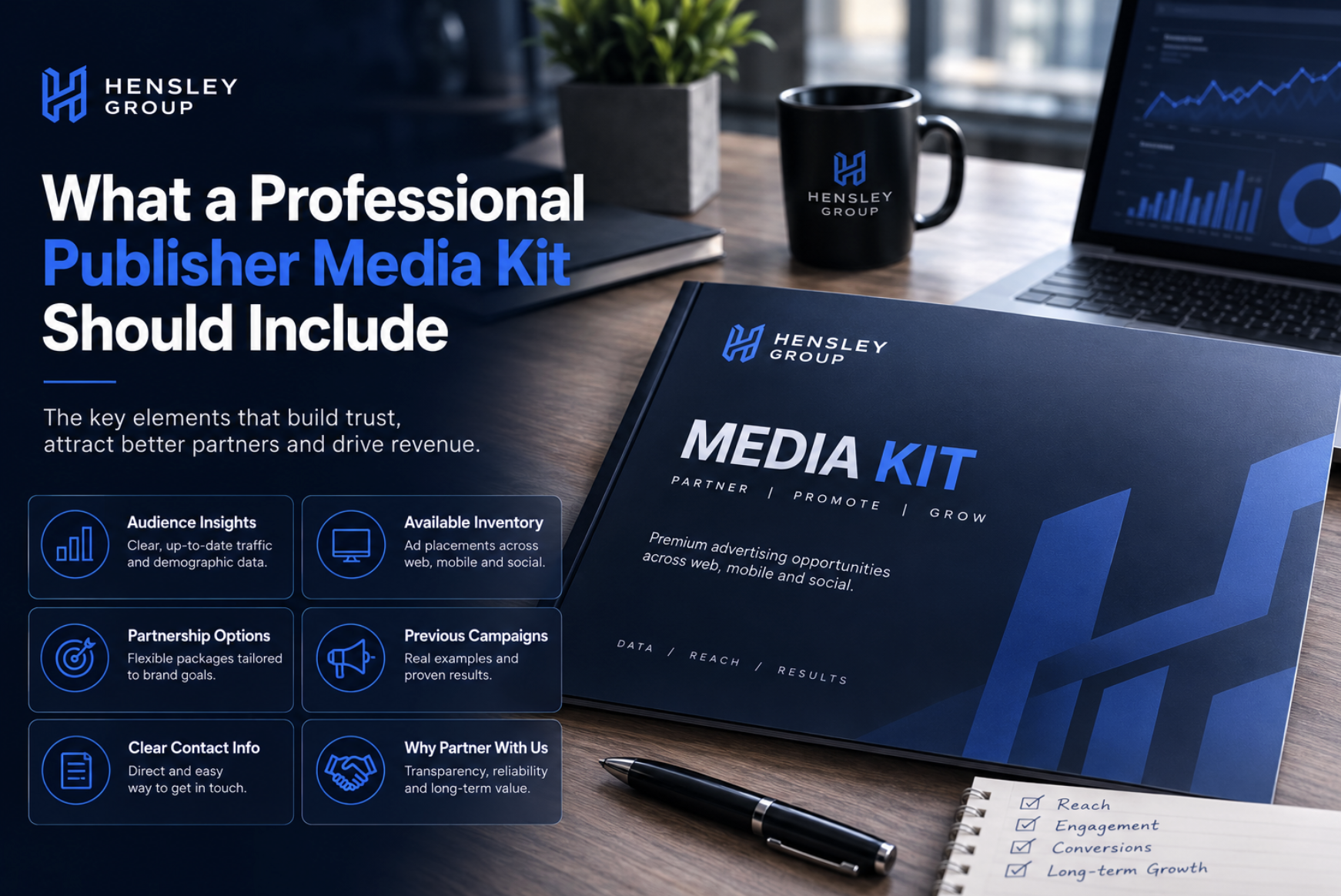
What a Professional Publisher Media Kit Should Include
A practical guide for publishers preparing a media kit for direct advertising partnerships.
