
Publisher Growth
What a Professional Publisher Media Kit Should Include
A practical guide for publishers preparing a media kit for direct advertising partnerships.
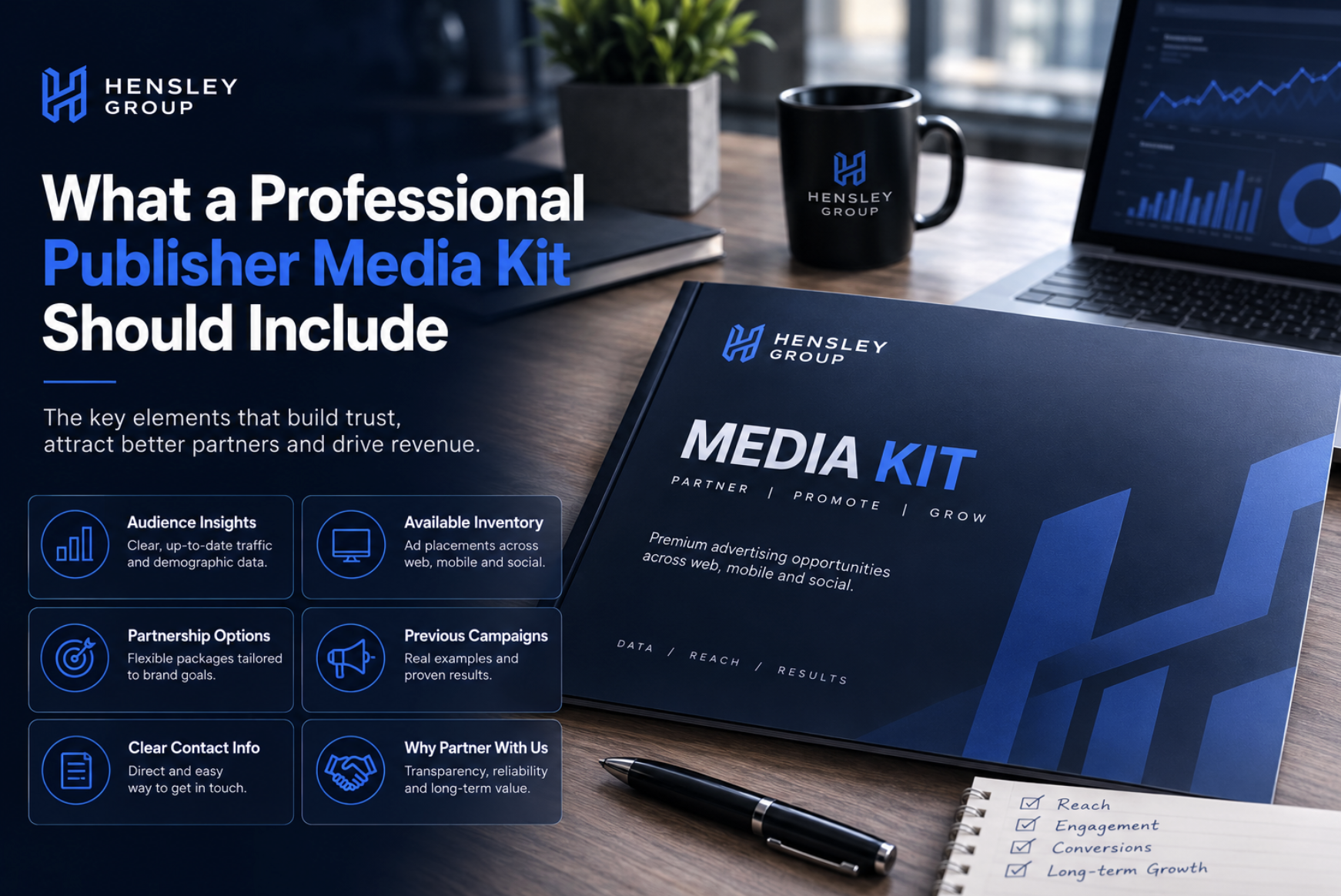
Why the media kit matters
A media kit is often the first structured commercial document an advertiser sees from a publisher. It should make the opportunity easier to understand, not harder. The best media kits are clear about the audience, the content environment, the available formats and the approval process.
The document does not need to be overly decorative. It needs to be accurate, easy to scan and specific enough for a buyer to decide whether a conversation is worth continuing.
Audience overview
A useful audience overview explains who the publisher reaches and why that audience is relevant. It should avoid inflated language and broad claims that cannot be supported. If audience information is estimated, the media kit should say so plainly.
Advertisers usually want to understand the category, reader intent and geographic profile. They also want to know whether the audience is suitable for the product and target market being considered.
Geographic profile
Geography matters for campaign suitability. A publisher should explain where its audience is concentrated and whether any regional restrictions are relevant. This is especially important for regulated or age-sensitive sectors where a campaign may be acceptable in one market and unsuitable in another.
The profile should be understandable without pretending to offer more precision than the publisher can evidence. Clear limitations are better than unsupported certainty.
Content category and environment
The media kit should explain the publisher’s main content areas and audience expectations. A sports media site, gaming community, technology publication and finance newsletter each create a different environment for advertising.
Screenshots can help, provided they are current and do not include confidential advertiser information. They should show where placements appear and how the page or channel is experienced by a user.
Placement specifications
Advertisers need practical specifications. The media kit should identify placement names, desktop and mobile dimensions, file types, word counts where relevant, delivery deadlines and any restrictions on animation or claims.
It should also explain whether a placement is fixed, rotating, sponsored editorial, newsletter-based, social or part of a bespoke package. Ambiguous labels create unnecessary friction.
Commercial structure
Commercial information should be presented in a way that allows discussion without creating false certainty. Some publishers publish rate cards. Others prefer proposal-led pricing. Either approach can work if the method is clear.
The media kit should say whether packages are subject to availability, approval and final written agreement. It should not imply guaranteed revenue or guaranteed campaign volume.
Available reporting
Reporting should be described honestly. A publisher may be able to confirm delivery dates, placements, screenshots, impressions, clicks, engagement or qualitative observations, depending on the format and systems used.
The important point is to say what is available before launch. A report that arrives after a campaign should not surprise the advertiser with missing information that could have been explained earlier.
Approval process
A professional media kit should include the approval route. Who reviews the advertiser, product and creative? How much lead time is needed? What types of claims or categories are restricted? Who gives final approval?
Publishers retain control of their own platforms. A clear approval process helps protect that control while making commercial conversations more efficient.
Practical takeaways
Build the media kit around clarity. Show the audience, environment, formats, requirements, commercial approach, reporting and approval process. Avoid exaggerated claims and keep the document easy to update when inventory or standards change.
Related articles

Why Direct Publisher Relationships Still Matter
A practical look at where direct publisher relationships remain useful, where they are limited and how advertisers can approach them responsibly.
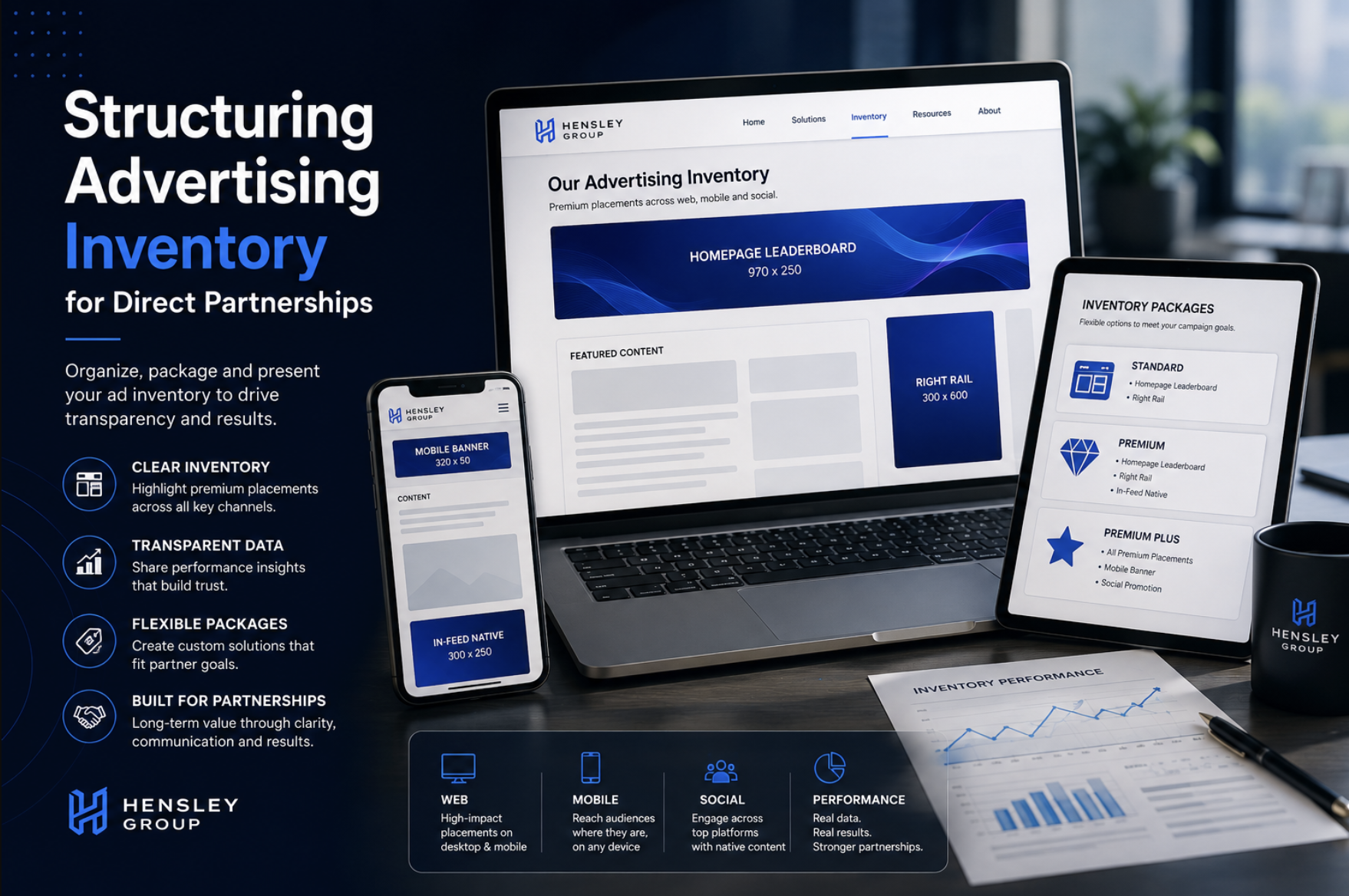
Structuring Advertising Inventory for Direct Partnerships
How publishers can name, organise and present advertising inventory for clearer commercial conversations.
